How to Compare Suppliers for an Online Store
Three suppliers, three different prices, three different stories about quality. Here is how to actually compare them.
ProdLinc Editorial
ProdLinc Team
Published Jan 28, 2026
7 min read

Quick answer
Compare suppliers on more than price: sample quality, minimum order quantity, lead time, communication responsiveness, and how they handle a problem order. A slightly more expensive supplier who is reliable is usually the better choice for a new store.
Comparing suppliers by price alone is the fastest way to end up with a cheap product you cannot confidently sell. A slightly more careful comparison across several factors protects both your margin and your reputation.
Price is not everything
A lower unit price that comes with unreliable quality or slow shipping usually costs more in refunds and lost customers than it saves upfront.
Always get a sample
Ordering a real sample before committing to a bulk order is the single most reliable way to judge actual quality, regardless of what photos or descriptions promise.
Minimum order quantity
A high minimum order can trap a new seller into more inventory than the business can move. Check this before falling in love with a supplier's price.
Lead time
How long an order actually takes to arrive affects your ability to promise realistic delivery times to customers. A cheaper, slower supplier is not automatically a better deal.
Communication
How quickly and clearly a supplier responds before you have placed an order is a strong signal for how they will handle a problem after you have.
How they handle problems
Ask directly what happens if an order arrives damaged or wrong. A supplier with a clear, reasonable answer is worth more than one with the lowest price and a vague response.
A simple comparison table
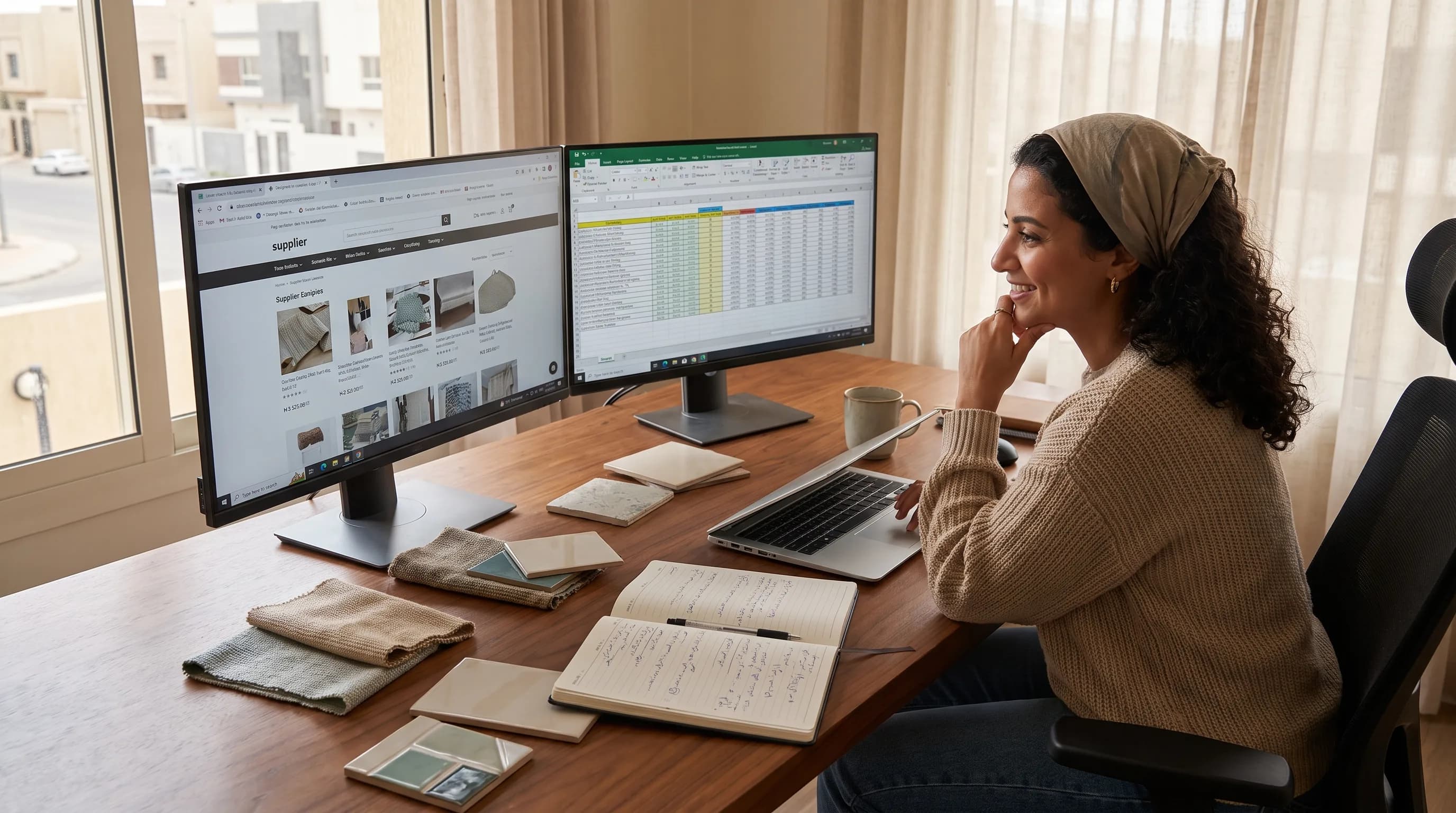
Track price, sample quality, minimum order, lead time, and communication side by side for each supplier under consideration. A structured comparison reveals a clearer winner than gut feeling alone.
Practical example
A seller comparing two suppliers with nearly identical pricing chooses the one with a slightly higher minimum order but faster, clearer email replies and a same-day response to a sample question, since reliable communication matters more to her business than the marginal price difference.
Common mistakes
Action checklist
- Order a real sample before committing to a bulk order.
- Check the minimum order quantity against what your business can realistically sell.
- Confirm actual lead time, not just the advertised one.
- Judge communication speed and clarity before you order.
- Ask directly how the supplier handles a problem order.
FAQ
Is it worth paying more for a slightly better supplier when starting out?
Often yes, since reliability and consistent quality protect your reputation while you are still building trust with your first customers. The cost of a bad first impression is usually higher than the price difference.